𝗪𝗵𝗲𝗻 𝗖𝘆𝗯𝗲𝗿 𝗔𝘁𝘁𝗮𝗰𝗸𝘀 𝗠𝗮𝗸𝗲 𝗛𝗲𝗮𝗱𝗹𝗶𝗻𝗲𝘀: 𝗔 𝗥𝗲𝗺𝗶𝗻𝗱𝗲𝗿 𝗳𝗼𝗿 𝗘𝘃𝗲𝗿𝘆 𝗢𝗿𝗴𝗮𝗻𝗶𝘇𝗮𝘁𝗶𝗼𝗻
A recent ransomware incident reported in Hong Kong serves as a timely reminder that cybersecurity threats continue to evolve — and no organization is immune.
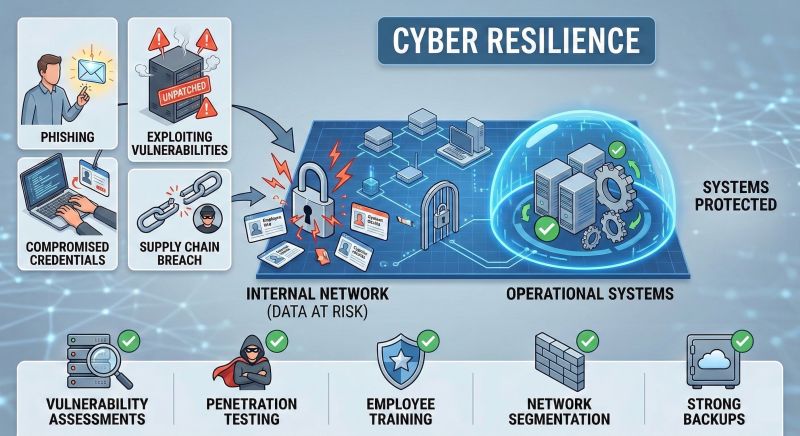
According to public reports, the incident involved unauthorized access to an internal network where certain stakeholder data such as employee information, contact details, marketing contacts, and supplier records were exposed. Fortunately, operational systems were reported to be 𝘀𝗲𝗴𝗿𝗲𝗴𝗮𝘁𝗲𝗱 𝗮𝗻𝗱 𝘂𝗻𝗮𝗳𝗳𝗲𝗰𝘁𝗲𝗱, highlighting the importance of 𝗻𝗲𝘁𝘄𝗼𝗿𝗸 𝘀𝗲𝗴𝗺𝗲𝗻𝘁𝗮𝘁𝗶𝗼𝗻 in protecting critical infrastructure.
While the exact root cause of the breach is still under investigation, common entry points for ransomware attacks often include:
⚠ 𝗣𝗵𝗶𝘀𝗵𝗶𝗻𝗴 𝗲𝗺𝗮𝗶𝗹𝘀 targeting employees
⚠ Exploitation of 𝘂𝗻𝗽𝗮𝘁𝗰𝗵𝗲𝗱 𝘃𝘂𝗹𝗻𝗲𝗿𝗮𝗯𝗶𝗹𝗶𝘁𝗶𝗲𝘀 in internet-facing systems
⚠ 𝗖𝗼𝗺𝗽𝗿𝗼𝗺𝗶𝘀𝗲𝗱 𝗰𝗿𝗲𝗱𝗲𝗻𝘁𝗶𝗮𝗹𝘀 used for remote access
⚠ 𝗧𝗵𝗶𝗿𝗱-𝗽𝗮𝗿𝘁𝘆 𝗼𝗿 𝘀𝘂𝗽𝗽𝗹𝘆 𝗰𝗵𝗮𝗶𝗻 𝗰𝗼𝗺𝗽𝗿𝗼𝗺𝗶𝘀𝗲𝘀
This incident is a reminder that cybersecurity is not just about responding to attacks — it is about 𝗶𝗱𝗲𝗻𝘁𝗶𝗳𝘆𝗶𝗻𝗴 𝗮𝗻𝗱 𝗮𝗱𝗱𝗿𝗲𝘀𝘀𝗶𝗻𝗴 𝗽𝗼𝘁𝗲𝗻𝘁𝗶𝗮𝗹 𝗴𝗮𝗽𝘀 𝗯𝗲𝗳𝗼𝗿𝗲 𝗮𝘁𝘁𝗮𝗰𝗸𝗲𝗿𝘀 𝗱𝗼.
Organizations can strengthen their defenses through several proactive measures:
✔ 𝗩𝘂𝗹𝗻𝗲𝗿𝗮𝗯𝗶𝗹𝗶𝘁𝘆 𝗔𝘀𝘀𝗲𝘀𝘀𝗺𝗲𝗻𝘁𝘀 to identify technical weaknesses early
✔ 𝗣𝗲𝗻𝗲𝘁𝗿𝗮𝘁𝗶𝗼𝗻 𝗧𝗲𝘀𝘁𝗶𝗻𝗴 to simulate real-world attack scenarios
✔ 𝗦𝗲𝗰𝘂𝗿𝗶𝘁𝘆 𝗮𝘄𝗮𝗿𝗲𝗻𝗲𝘀𝘀 𝘁𝗿𝗮𝗶𝗻𝗶𝗻𝗴 to reduce phishing risks
✔ 𝗡𝗲𝘁𝘄𝗼𝗿𝗸 𝘀𝗲𝗴𝗺𝗲𝗻𝘁𝗮𝘁𝗶𝗼𝗻 𝗮𝗻𝗱 𝗹𝗲𝗮𝘀𝘁 𝗽𝗿𝗶𝘃𝗶𝗹𝗲𝗴𝗲 𝗮𝗰𝗰𝗲𝘀𝘀 to limit impact
✔ 𝗦𝘁𝗿𝗼𝗻𝗴 𝗯𝗮𝗰𝗸𝘂𝗽 𝘀𝘁𝗿𝗮𝘁𝗲𝗴𝗶𝗲𝘀 to ensure recovery in ransomware scenarios
Cyber resilience is not built during an incident — it is built through preparation.
The question for every organization is simple:
𝗜𝗳 𝗮𝗻 𝗮𝘁𝘁𝗮𝗰𝗸𝗲𝗿 𝘁𝗲𝘀𝘁𝗲𝗱 𝘆𝗼𝘂𝗿 𝗱𝗲𝗳𝗲𝗻𝗰𝗲𝘀 𝘁𝗼𝗱𝗮𝘆, 𝘄𝗼𝘂𝗹𝗱 𝘆𝗼𝘂𝗿 𝘀𝘆𝘀𝘁𝗲𝗺𝘀 𝗯𝗲 𝗿𝗲𝗮𝗱𝘆?
Further reading