๐—ฃ๐—ฟ๐—ผ๐˜๐—ฒ๐—ฐ๐˜๐—ถ๐—ผ๐—ป ๐—ผ๐—ณ ๐—–๐—ฟ๐—ถ๐˜๐—ถ๐—ฐ๐—ฎ๐—น ๐—œ๐—ป๐—ณ๐—ฟ๐—ฎ๐˜€๐˜๐—ฟ๐˜‚๐—ฐ๐˜๐˜‚๐—ฟ๐—ฒ๐˜€

The Protection of Critical Infrastructures (Computer Systems) Ordinance will come into operation in January 2026, imposing formal cybersecurity requirements on operators of designated critical infrastructure in Hong Kong. Operators in sectors such as finance, energy, transport, and telecommunications will face stricter expectations around governance, resilience, and incident response.

Under the new requirements, organizations can expect requirements in areas like continuous vulnerability management, stronger access control, security monitoring, and timely reporting of incidents. For many organizations, this creates a clear turning point: either stretch alreadyโ€‘busy internal teams or bring in specialized support to accelerate readiness.

And this is where we can help. At Ringus, we have a houseful of experienced cybersecurity professionals who support organizations in aligning with the new statutory requirements.

We provide comprehensive cybersecurity services like:
๐Ÿ”Ž Penetration Testing: Simulated attacks across web, network, and mobile applications to uncover and validate exploitable weaknesses
๐Ÿ”ŽVulnerability Assessment: Automated scanning and manual verification to identify and prioritize vulnerabilities
๐Ÿ”ŽCybersecurity Consultation: Advisory engagements covering governance, process design, and control implementation to align your security posture with evolving regulatory and industry requirements

More Updates

Further reading

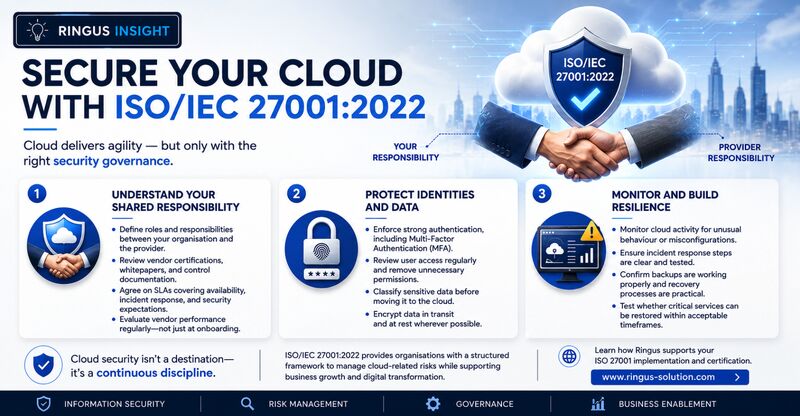
๐—ช๐—ต๐˜† ๐—ฃ๐—ต๐˜†๐˜€๐—ถ๐—ฐ๐—ฎ๐—น ๐—ฆ๐—ฒ๐—ฐ๐˜‚๐—ฟ๐—ถ๐˜๐˜† ๐—ฅ๐—ฒ๐—บ๐—ฎ๐—ถ๐—ป๐˜€ ๐—˜๐˜€๐˜€๐—ฒ๐—ป๐˜๐—ถ๐—ฎ๐—น ๐˜๐—ผ ๐—œ๐—ป๐—ณ๐—ผ๐—ฟ๐—บ๐—ฎ๐˜๐—ถ๐—ผ๐—ป ๐—ฆ๐—ฒ๐—ฐ๐˜‚๐—ฟ๐—ถ๐˜๐˜† ๐—ถ๐—ป ๐—œ๐—ฆ๐—ข ๐Ÿฎ๐Ÿณ๐Ÿฌ๐Ÿฌ๐Ÿญ

๐—ช๐—ต๐˜† ๐—ฃ๐—ต๐˜†๐˜€๐—ถ๐—ฐ๐—ฎ๐—น ๐—ฆ๐—ฒ๐—ฐ๐˜‚๐—ฟ๐—ถ๐˜๐˜† ๐—ฅ๐—ฒ๐—บ๐—ฎ๐—ถ๐—ป๐˜€ ๐—˜๐˜€๐˜€๐—ฒ๐—ป๐˜๐—ถ๐—ฎ๐—น ๐˜๐—ผ ๐—œ๐—ป๐—ณ๐—ผ๐—ฟ๐—บ๐—ฎ๐˜๐—ถ๐—ผ๐—ป ๐—ฆ๐—ฒ๐—ฐ๐˜‚๐—ฟ๐—ถ๐˜๐˜† ๐—ถ๐—ป ๐—œ๐—ฆ๐—ข ๐Ÿฎ๐Ÿณ๐Ÿฌ๐Ÿฌ๐ŸญWe spend so much time talking about firewalls, encryption, and phishing simulations โ€” but what happens when someone simply walks into your server room, steals a laptop, and causes damage to companyโ€™s assets?Why does physical security matter so much? Because many real incidents start physically:๐Ÿ’ซ A tailgater slipping into a restricted area and accessing sensitive systems.๐Ÿ’ซUnlocked desks leaving confidential documents visible to visitors or cleaners.๐Ÿ’ซNatural disasters such as typhoons and flooding disrupting servers, leading to downtime or hardware damage if environmental protections aren't in place.Physical security directly supports the core principles of information securityโ€”the CIA Triad (confidentiality, integrity, and availability) of data and systems. Threats such as theft, tampering, or natural disasters can bypass digital protection entirely.In ISO 27001:2022, physical security is addressed through a dedicated theme under Annex A. Issues like expired fire extinguishers, missing CCTV footage, sticky notes with account passwords, or unlocked server room racks are common findings in an ISO 27001 audit. These are often fixed in a short time but can lead to non-conformities if ignored. Usual physical security practices are as follows:๐Ÿ’ซ Clear desks and screens (e.g. keep sensitive information in restricted areas)๐Ÿ’ซPhysical entry and access control (e.g. door access restriction)๐Ÿ’ซPhysical Monitoring (e.g. CCTV)๐Ÿ’ซetc.

๐—›๐—ผ๐˜„ ๐—š๐—ผ๐—ผ๐—ฑ ๐—”๐—ฟ๐—ฐ๐—ต๐—ถ๐˜๐—ฒ๐—ฐ๐˜๐˜‚๐—ฟ๐—ฒ ๐—ฅ๐—ฒ๐—ฑ๐˜‚๐—ฐ๐—ฒ๐˜€ ๐—ง๐—ฒ๐—ฐ๐—ต๐—ป๐—ถ๐—ฐ๐—ฎ๐—น ๐——๐—ฒ๐—ฏ๐˜ ๐—ถ๐—ป ๐—ฆ๐—ผ๐—ณ๐˜๐˜„๐—ฎ๐—ฟ๐—ฒ ๐—ฃ๐—ฟ๐—ผ๐—ท๐—ฒ๐—ฐ๐˜๐˜€

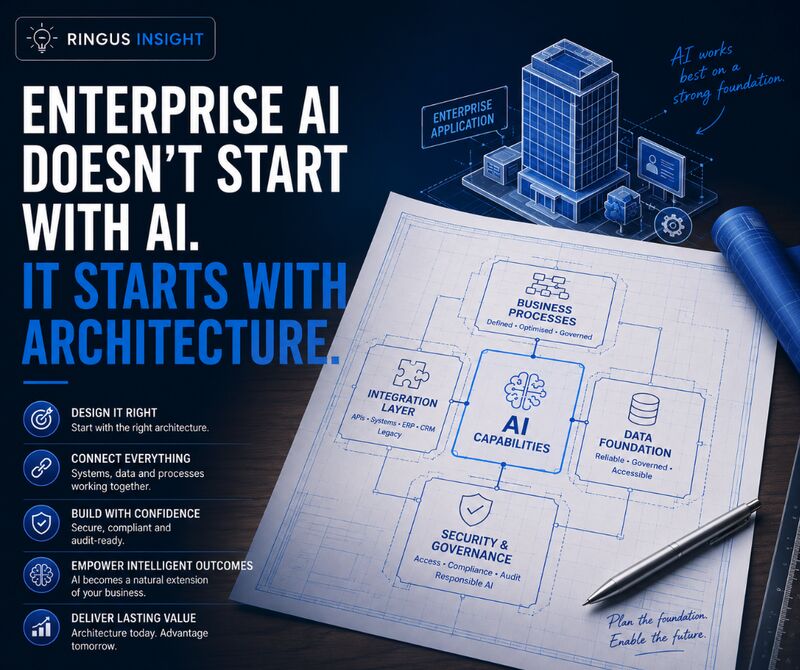
๐—›๐—ผ๐˜„ ๐—š๐—ผ๐—ผ๐—ฑ ๐—”๐—ฟ๐—ฐ๐—ต๐—ถ๐˜๐—ฒ๐—ฐ๐˜๐˜‚๐—ฟ๐—ฒ ๐—ฅ๐—ฒ๐—ฑ๐˜‚๐—ฐ๐—ฒ๐˜€ ๐—ง๐—ฒ๐—ฐ๐—ต๐—ป๐—ถ๐—ฐ๐—ฎ๐—น ๐——๐—ฒ๐—ฏ๐˜ ๐—ถ๐—ป ๐—ฆ๐—ผ๐—ณ๐˜๐˜„๐—ฎ๐—ฟ๐—ฒ ๐—ฃ๐—ฟ๐—ผ๐—ท๐—ฒ๐—ฐ๐˜๐˜€Technical debt is often an unavoidable byproduct of rapid developmentโ€”but good architecture ensures it doesnโ€™t become toxic.1๏ธโƒฃ Defines Standards and Enforces ComplianceArchitecture sets clear standards for platforms, data, and security, reducing inconsistencies and redundancies. Guidelines and regular architecture reviews ensure new code complies with best practices, preventing unmaintainable implementations from entering the system.2๏ธโƒฃ Manages Complexity through ModularityModular architecture, such as microservices or well-structured layers, reduces tight coupling and isolates components. This simplifies maintenance, allows teams to work independently, and makes it easier to identify and fix areas of high technical debt before they snowball.3๏ธโƒฃ Enables Scalability and FlexibilityProactive architectural design anticipates future growth and changing requirements. Systems can scale, adapt to new technologies, and incorporate new functionality without extensive rewrites, minimizing long-term debt and maximizing agility.4๏ธโƒฃ Improves Maintainability and Reduces RiskClear structure and documentation provide visibility into system dependencies, helping developers understand the impact of changes. Combined with CI/CD pipelines and automated testing, architecture acts as a safety net, allowing incremental improvements while controlling debt accumulation.5๏ธโƒฃ Aligns Technology with Business GoalsGood architecture ensures systems support business objectives efficiently, balancing speed with quality. It enables sustainable technical choices that maximize ROI while reducing the cost of misaligned or obsolete solutions.In essence: architecture is a strategic investment that turns technical debt from a hidden risk into a manageable, predictable factorโ€”supporting sustainable growth, maintainable code, and long-term innovation.